


 Posts
Posts


November is usually the start of the really chilly weather. Here are some general maintenance tasks that should be accomplished in and around the home this month.
Clean and maintain major appliances
Clean the drip pans of your electric stove, clean behind the stove, dishwasher and washer & dryer. Pull out the refrigerator and clean the coils and drip pan underneath. Wipe down the furnace, water heater and water softener. Clean around the dishwasher strainer and look for debris in the washing arm (spins and squirts water during the wash/rinse cycle)
Keep gutters clean from leaves & debris Water damage is very costly and can make your home very uncomfortable with mold and mildew, not to mention repair headaches. Some folks prefer to use a powered blower to blast debris out of the gutters.
Clean your garbage disposal
Clean and deodorize your in-sink garbage disposal by packing it with ice cubes and 1/2 cup of baking soda; then turn it on. After the grinding noise stops, pour a kettle full of boiling water into the sink.
Change furnace filter
Some furnace filters are washable. Have two on hand. One in use, one cleaned and ready to install. Remove the dirty one and install the clean one. Wash and dry the dirty one for use next month.
Check operation of your sump-pump
Take the top off the sump and remove any debris that may have collected in there. Pour at least 5 gallons of water into the sump, slowly, to ensure pump is operational. Some people like to run a hose into the sump area, turn the water on to a slow rate and allow the pump to operate for about 1/2 an hour or so. Do not leave it unattended though.
Touch-up woodwork Use "Old English Scratch Remover" or matching stain to cover dents and scratches on your woodwork. Keeping up on this task at least once a year will help preserve a well maintained look to the inside of your home. It only takes a few minutes in each room to accomplish.
Turn on your Whole-House humidifier Many homes are blessed with a whole-house humidifier. If you are lucky enough to have one you should turn on the water supply and usually a manual switch near the humidifier. It is usually at the furnace. Change the water pad (filter-looking device) when there are a lot of white crusty mineral deposits on it.
If you do not have a whole-house humidifier you can hang a large towel or sheet in the shower and keep it wet. The water will evaporate and get into the air. Change out the towel or sheet often (maybe once per week) and make sure it does not get moldy.
Cover outside hose bibs (water spigots) Most new homes have the freeze-proof spigots but they can still freeze if the hose is not removed for the wintertime. This time of year ALWAYS remove the hose after each use. If you do not know if your spigots are freeze proof it won’t hurt to cover them. The foam covers only cost a few dollars to purchase and a few minutes to install. Installing one could save you thousands in repair costs and insurance claims.
Saturday, November 1, 2014
November Maintenance Tasks


Monday, February 4, 2013
Selling Your Home This Summer?
Or are you planning
to sell your home in the next few years?
The 2013 selling season is approaching; Start planning now to get the best offer on your home.
Wednesday, March 14, 2012
Smell Sewer Gas?
All plumbing fixtures have drain traps – a bend in the drainpipe that is always filled with water. The water stops smelly sewer gases from entering your house. The traps below your sinks are replenished every time you run the water, but in most homes the traps below the basement or laundry room floor drains never are refilled. The water evaporates, and sewer gases start wafting up from the drain.

If you have a basement floor drain you should pour some water down the drain on occasion to refill the trap and prevent the sewer gas from entering your home. Of course, sewer gas smells but it could overcome you and be potentially dangerous. Seldom used bathrooms should have the water run in the sink, shower or bathtub and the toilet flushed atleast once a month to keep the traps full of water. There also is a trap for the washing machine drain pipe. If you have unused hook-ups from moving your laundry room or you rarely use your laundry equipment, keep that trap filled with water or have the pipe capped off.
Evaporation of the water in the drain traps can be as fast as a few days to a few weeks. A few minutes of your time to pour some water down those drains will keep you safe and keep the sewer gas out of your home.
Wednesday, January 18, 2012
Water Trees in Winter
We’ve enjoyed a mild, warmer winter thus far in the Omaha area but it has been very dry with very little snow and rain. There is one very glaring precaution while we have been enjoying such a mild winter….your landscape. Trees and shrubs need water to survive and the climate just has not produced.
To keep your trees and shrubs healthy this winter you will need to supplement the moisture they are not getting naturally. Break out that garden hose and allow a slow stream of water to saturate the ground for several hours in and around your trees and shrubs. The ground is frozen so it will take a long time to soak in. 4-5 hours of a mild trickle to the edges of the drip line should save the trees from winter kill. Maybe try to water 2 trees a day ensuring the whole drip line is saturated.
DO NOT forget to remove the hose from the spigot each night prior to the nightly freeze.
Most of us don’t think about the fact that trees need water during the winter. They drop their leaves and go into an apparent dormant state, so we tend to forget about them. What we don’t realize is that beneath the ground there is still plenty of activity going on. The roots continue to grow throughout the winter and need adequate water to survive.
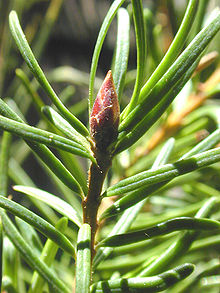 There are few outward signs of drought stress on deciduous trees during the winter. During months when they have leaves, drought is noticeable because of leaf yellowing, wilting, curling at edges, brown tips, and dropping leaves. During the winter though, there are no leaves to act as drought indicators. Evergreens on the other hand, may turn yellow, red or purple. They also may turn brown at the tips of the needles and the browning may progress through the needle towards the twig.
Trees should be watered to a depth of about twelve inches below the soil surface. The soil should be saturated within the drip line which is the area out to the outer edges of the trees branches. This will ensure that water is dispersed to all of the roots. On evergreens, water should be distributed 3 to 5 feet beyond the drip line on all sides of the tree.
Wednesday, December 28, 2011
CONTROLLING HOME MAINTENANE COSTS
Home repairs can break your bank. Keeping your home maintained is a less-costly way to keep ahead of the repair costs.
Experts in the home repair industry typically recommend spending 1-3 percent (per year) of the home's value on maintenance tasks alone, not considering repairs. Repair cost estimates could be 5-10 times that amount. The trick is to spend as little as possible in home repairs while you live there so you end up in a positive cash situation if/when you sell your home. The only way I know to keep repair costs down is to spend properly and efficiently on your home's seasonal maintenance tasks. As stated many times before "Spend hundred$ now in maintenance or spend thou$and$ later in repairs." It is generally about a 10:1 ratio. Spending that $100 keeping it maintained will save you thousands in future repairs.
A new year is upon us, plan to put up some of your tax return for home maintenance and add to the kitty with each paycheck. If you do not have cash on hand for some of the smaller maintenance tasks you certainly will not be able to afford the future repair costs.
 If you follow Mr. Handyman’s seasonal maintenance tips on our blog site your monthly maintenance and repairs costs will go down. If the maintenance involves tasks that you cannot complete yourself or if it requires a professional (replacing wood trim around the windows, HVAC maintenance, or properly caulking around the tub, kitchen sink or around windows) then give Mr. Handyman a call. We have the expertise and knowledge to accomplish most home maintenance tasks.
With the tightening of the money belt in today's economy and the possibility of inflation causing your hard-earned dollar to buy less in the future, saving where you can just makes great financial sense. We have offered several tips to save with energy-efficiency items on our blog site as well. Just look for a related article on the right side of the main page.
Thursday, November 10, 2011
Whole-house humidifiers can make your home more comfortable
Winter weather can be harsh outside of the home. Heating your home can remove so much moisture from the air that it can be somewhat uncomfortable. Low moisture content in the air can cause excessive static electricity, dry coughs, dry skin and can dry out your sinuses to the point of causing bloody noses. Dry air is not good for furniture, pets or people with allergies.
Getting enough moisture into the home can be a daunting task when your heater cycles on so much in the coldest parts of the winter. Room humidifiers can help maintain the moisture level in individual rooms. Requires filling daily and cleaning very often to ward off bacteria, mold and other contaminates. Usually $30-$150.
A whole-house humidifier may be your 2nd best investment for winter conditioning of your living space, right behind that heater unit itself.
What are the benefits of a whole-house humidifier?
1. Can save costs in making your home more comfortable
2. Easy annual maintenance
3. Set and forget, no bottle filling, no chemicals, whole-house coverage
4. Cost to have one installed would run $350-$700 depending on the model
If you have a whole-house humidifier you should perform the maintenance NOW
1. Turn on the water source and verify the water line is not plugged
2. Inspect the water pad (filter looking element) and replace if mineral deposits are evident
3. Turn on the switch or humidistat (thermostat looking device in main living area)
OLD HOME REMEDY TRICK
Hang a sheet or towel in the shower area and keep it wet and the shower curtain open. Moisture evaporates and gets into the air. Swap out the sheet or towel at least every week. This trick may make the coldest, driest months more comfortable.
Wednesday, March 30, 2011
April & Springtime Home Maintenance
April is here!! Well Almost.
Spring is here!!! Well almost. It sure doesn't feel like spring. This is Nebraska, maybe tomorrow?
Here's a good amount of work to try to tackle in April to keep your home repair cost down.

2. Inspect the outside of your home and other wooden structures for deterioration -- especially signs of rot. Use a screwdriver to probe suspect areas of wood rot. If the tip exposes any soft, mushy areas it should be added to this year’s maintenance and repair list and tackled very quickly to prevent more costly repairs in the future. Areas to check include railings, window sills and trim, wood siding and corner trim and the bottoms of the trim around doors as well as the threshold. For the higher areas like the top of the chimney you may prefer to hire an insured professional like Mr. Handyman.
3. While performing the inspection for wood rot or deterioration, check the caulking around windows and doors and apply where necessary.
4. Inspect the crawl space or basement after rains for water accumulation or excessive moisture. Look for signs of water damage on the subfloor and joists beneath bathrooms, the kitchen and laundry. Find and fix leaks now or pay the price later.
5. Shut off the water to the washing machine, remove the water supply hoses and examine them thoroughly. Laundry room floods are very costly. Replace cracked or checked hoses and always install a new washer on each end of each hose. Every year at this time inspect and clean your dryer vent ducting. A plugged dryer vent is the #2 cause of home fires in the US. Keeping the dryer vent system clean will also allow your dryer to operate more efficiently and can save you up to $80 per year.
Wednesday, March 9, 2011
Spring is ........nearly here!
The Chill of February is behind us and coming up – March Madness!
The weather in March bounces from cold and wet to semi-warm days that bring out the longing for spring. March is the perfect time to get a great jump-start on sprucing up your home…….. Almost spring cleaning, or spring cleaning-‘lite.’

Another task to accomplish during these random periods of great weather is to perform a thorough evaluation of the exterior needs of your home. You may have some tax money returned to you so knowing the financial needs of your home maintenance will be key to making sure you do not ‘unwisely’ spend that windfall on something desired rather than on something very much needed. Some bubbling or spongy siding or trim should be placed first on your list of repair tasks to keep the costs to a minimum.
Remember…for every dollar you spend maintaining your home you get to keep about $10 off your repair bill.
Thursday, February 10, 2011
Prepare for the spring melt down
We've had quite a bit of snow this winter and a possibility of more on the way between now and spring. With the potential for a lot of moisture soaking into the ground around your home a wet basement is the last thing you will want to complicate your life.
 wner can accomplish to prepare for the melting snow is to ensure their sump pump is operational. A sump pump is normally located in a "sump pit." This is usually in the basement under a round plastic lid and has an electrical cord and a drain pipe routing through it (if a pump is installed). The purpose of the pump/pit is to collect water that normally would enter the basement and pump it out to a location in the yard keeping moisture out of the basement. Not all homes have a sump pump though.
Monday, January 17, 2011
January Maintenance tasks

 humidity and barometer, see photos of older and newer style units). The goal is to keep the humidity near 35% through the winter but it also depends on your comfort level.
Wednesday, January 12, 2011
Preventing Ice Dams
 BULLETIN: MORE SNOW ON THE WAY!
Extensive damage can happen in homes if ice damming occurs. Replacement of ceilings, walls and insulation can be very costly alone without considering carpeting, wood floors, furniture etc. Insurance will probably cover some of these costs but deductibles, replacement time, time off work, coordination hassles etc. will make it well worth the expense to prevent ice damming in the first place.
Fresh snow can be pulled off the edges of the roof with a roof rake, or snow rake. They are available at some of the local hardware stores. I have never found one at any of the "big-box" stores, but if the need is there I would not be surprised if they started carrying them. If you wait several days before you attempt to pull the snow off with a snow-rake you may have a more difficult time ahead of you. The snow may build up ice crystals and be very tough to remove.
With the expected accumulation of more snow the rest of the winter I would highly advise you MAKE THIS A HIGH PRIORITY! The added weight of all that snow on a roof can cause a collapse let alone water leaking into the ceiling and walls. This amount of snow this early in the winter could be still on the ground (and roof) until April.
PANTY-HOSE TRICK
If you have some old panty hose laying around the house you could fill them with "Ice Melt" (must be calcium chloride, not rock salt) and lay them vertical on the ice dam. The point is to make several vertical breaks through the ice dam so melted snow has a place to drain off the roof. This is a great trick but the best overall method is to remove the loose snow right away.
 wire is attached to the lower sections of the roof and is manually plugged-in or turned-on by the home owner to heat up that part of the roof to melt off the ice and snow. These are somewhat inexpensive (relative to costly repairs or your insurance deductible) but should only be used as a last resort in correcting the ice dam problem. The heated wire does not have a long life and the underlying issue causing the ice damming is still unsolved. I would only recommend using heat tape if all other methods of correction have been used and the issue is still not solved for a particular problem area (may be related to tree cover, shading, wind direction, etc.)
Tuesday, November 30, 2010
December Home Maintenance Tasks
Now that the cold winter nights are upon us there are a few maintenance tasks that are probably staring us in the face or at least, making us less comfortable in our homes. Be sure the November tasks are completed then tackle this list for December. The following are “must do” tasks:
1. If your home feels drafty try this tip: When the wind is blowing, check for leaks around doors and windows with a candle or burning incense stick. Watch for the smoke trail. You will be able to see where the cold draft is entering when the flame flickers or smoke blows away from the leak source. If needed install shrink-film on windows and new weather-stripping on leaky doors.
2. Remove any liquid materials (paints, caulking) from unheated sheds or garages.
3. To prevent a slip on ice seal up any leaky gutters that are dripping onto sidewalks or driveways.
4. If you turn the heat down when on a multi-day trip over the holidays leave the cabinet doors open under the sink to help prevent frozen pipes (especially sinks against outside walls)
5. Storm doors need an adjustment in the winter months to close properly. Most modern doors have a winter setting on the door-side mounting pin. The pin should be in the outer-most hole on the closer mount for winter.
The following are convenience tasks, tasks that have been proven to be most beneficial at this time of year: On a warmer December day consider tackling the following:
1. Fertilize your lawn and shrubs now so the melting snow can feed the deeper roots.
2. Prune trees and shrubs
3. Run a hose to deep-water evergreen trees and shrubs. If the snowfall level is low this winter you may just save them from winter kill.
4. Apply your pre-emergent weed killer/crabgrass preventative.
Wednesday, October 20, 2010
Keep the Chill OUT!

 or.
or.
Wednesday, October 13, 2010
October Home Maintenance Tasks to complete during this wonderful weather!
Here is a quick check-off list for the most common maintenance tasks to accomplish in October.
After each use detach hoses in case of freezing temperatures.
If you want to keep them, remove all paints, caulks and liquid materials from garage or garden sheds.
Inspect weatherstripping around doors and windows and repair or replace if necessary. The time to caulk around windows and doors is NOW!
Set thermostats and automatic sprinklers for winter.
Clean gutters after all the leaves have fallen. Consider a gutter protection system to never clean them again! Make sure downspout extensions are securely attached and direct the water at least 4-6 ft away from the home. 90% of the ice damming damage was caused by a clogged-up gutter.

Seal the cracks in your driveway to prevent damage.
Clean and change the wick in your whole-house humidifier.
These are just some of the maintenance tasks a homeowner should complete to prepare for the winter weather. Why not take advantage of this beautiful warm weather to get them done while you can?
Wednesday, September 29, 2010
Protecting Your Home from Fire and Flood
 As a reminder to area homeowners, Mr. Handyman is offering two simple suggestions that most homeowners can manage themselves and that will greatly reduce the risk of damage to your homes, and maybe become more energy efficient.
Dryers: If you have to run the dryer a second or even third time to get clothes fully dry, your dryer vents may need cleaning. While most homeowners clean their lint traps between every load, dryer vents must also be cleaned regularly. It is recommended that dryer vents be cleaned every 1-2 years, depending on the frequency of dryer use and the distance from the back of the dryer to where the vent exits the home. Lint buildup in vents increases the risk of fire and reduces the efficiency of the dryer.
It’s a fact: Thirteen thousand fires start in laundry rooms in the U.S. each year, causing 10 deaths and $97 million in property damage. One-third of these fires arise from lint buildup.
Besides reducing the risk of fire, clean vents allow for efficient drying. Savings estimates range from $.50 to $3.00 a load, depending on the size of the load, the energy efficiency of your dryer and the severity of obstruction in your vents. Reduced wear on the dryer will also extend its life.
Washing machines: Most washing machines come with a set of black rubber hoses for hot and cold water. These hoses are under constant pressure and will eventually fail.
It’s a fact: Washing machine-related failures are a leading source of home water damage losses, costing an average of $5,308 per incident. Water supply hoses account for most failures. Most manufacturers recommend replacing hoses every 3-5 years.
At the first sign of cracking or dry rot, replace your hoses. Replacement hoses re-enforced with steel or nylon braiding are available and reasonably priced to further protect your home. When you leave home for vacation or extended travel, shut off the washing machine water supply to protect against rupture and flooding.
For those people who can’t remember the last time their dryer vents were cleaned and have never inspected their washing machine hoses, Mr. Handyman recommends immediate action. If you are unable or do not desire to take-on these projects yourself, Mr. Handyman is fully prepared to handle these and any other home repair and maintenance tasks that require attention while we’re in your home. If you have home improvement projects you are considering now or for the future, Mr. Handyman would also be happy to discuss these with you and offer you a free estimate while in your home. This makes Mr. Handyman your best value.
Wednesday, April 7, 2010
April (Spring) Maintenance Tasks
Inspect screens (both house and vent screens to attic or crawl space) for tears and bent frames and clean them with a vacuum.
Clean window screens. Lay them flat on a picnic table or a pair of sawhorses and scrub them with a soft bristle brush and a mild detergent solution. Rinse with a garden hose and allow it to dry thoroughly. Clean the inside of the windowsills.
Inspect outdoor structures like decks, pergolas, and trellises for deterioration --especially signs of rot. Use a small awl or screwdriver to probe posts, railings and windowsills for soft spots. If you find any, plan to replace or repair them when the weather turns fair. 
Winter settling of your home has occurred. Inspect around windows, doors and check the foundation. Caulk any open joints.
Inspect the crawl space or basement after rains for water accumulation or excessive moisture. Look for signs of water damage on the sub floor and joists beneath bathrooms, the kitchen and laundry. Find and fix leaks now or pay the price later.
Shut off the water to the washing machine, remove the water supply hoses and examine them and the washers. Replace worn and damaged ones.
Use a spray lubricant to oil the rollers and pivot points on your garage doors. Do not use WD-40, but 3-in-1-type oil is best.
Winter is over. Turn off the water supply (and flip the switch if supplied) to your whole-house humidifier.
Monday, February 8, 2010
February Maintenance Tasks

Clean the garbage disposal by dumping 2 trays of ice cubes and 1 cup of white vinegar into the opening and running the disposal. The ice will sharpen the blades and the vinegar will clean the chamber and drain. I have also heard folks dumping a cup of baking soda and then pouring 2 cups of vinegar down the opening. After a few minutes, run the disposal as normal with the water running. NEVER POUR WASTE OIL like drain-off from bacon or hamburger down the drain!
Wipe down and disinfect door knobs, toilet handles, kitchen drawer and door pulls etc., especially if any family member was sick this winter. While you are at it use some furniture polish or Old English scratch remover on wood-stained cabinets to bring out the shine and beauty of those kitchen cabinets.
Dust the ceiling fan blades and the motor housing screening material with a vacuum and brush attachment. Also use the brush attachment on the heating and air-conditioning vent covers. If you have floor vents, remove the cover and vacuum down in the ductwork as far as you can reach. Look for those lost toys and other "treasures" your kids lost down there first.
Learn the location of the gas, water and electrical shut-offs. You never know when you may need to flip the switch or turn off the water to the house in an emergency situation.
Check and clean your range hood filter. The dishwasher is the best way to clean these.
And lastly as with each month, change your furnace filter. Those of you that use a blow-dryer on your hair, clean the filter on it as well. It will last longer that way.



