The Professional Choice

A companion overview to the popular "Ask Mr. Handyman" radio program airing on Christian Talk Radio, KCRO 660AM Saturdays @ 9:30AM.

Wednesday, May 25, 2011

Home Elecrtical Concerns

Here is how you know you need an electrician to visit your home


If you have one or more outlets that have loose prongs. They will be outlets that when you plug in your appliance the plug does not want to stay in the outlet, it droops or falls out.

If you have a light switch that arcs when it is turned on. Sometimes it may spark and sometimes it will make an arcing sound. Too much build-up of carbon can lead to resistance in the switch and can cause overheating and possibly, fires.

If you have lights that dim when another appliance is turned on. An example may be when you run the microwave, vacuum cleaner or the air conditioning cycles on. If the lights dim there could be an overload, or low voltage on that circuit which could lead to shorter-lived equipment or appliances, light bulbs and possibly a fire.

If you have a light fixture that you consistently replace the bulbs more so than other fixtures. It could mean an under voltage situation or an overloaded circuit breaker.

If you have a GFCI outlet in the house that keeps tripping, forcing you to reset it. GFCI outlets are the ones with the manual reset switch on the outlet itself. A GFCI outlet is required in bathrooms or in outlets where an appliance could come in contact with water. Others may be protected in the breaker box.

If you have more than 2 extension cords currently in use in the home because you do not have enough outlets for all of the fixtures or appliances you wish to have.

If you have any outlets with a charred face or burnt-marks. It may end up only being cosmetic but it may be worth it to have it checked out.

If you have any wires that are sticking out from electrical boxes or cover plates. All wiring should be concealed in conduit, in the panel, or box or in the “romex” sheath (2 or more wires in a thin, white plastic covering in use in most homes today).

Thursday, May 5, 2011

Contractors - Know Who You Are Hiring

Each year Mr. Handyman receives calls from distraught homeowners stating they were taken for a lot of money and left hanging. They had hired a "fly-by-night' contractor without checking up on the company, individual or references.

Many homeowners only look at the lowest price. Let's face it, we live in a "Wal-Mart" world where we are conditioned to associate lowest price with a good value. In reality it almost never works out that way.

How do you check out a particular contractor?

First of all is he an individual or a company? You can follow the advice and tips from one of our previous posts to perform a general reference check on him/his company. See the blog post at: http://askmrhandyman.blogspot.com/2010/02/licensed-bonded-and-insured-what-does.html


Second, you can ask for and check up on references. Ask him for a list of several other customers he has serviced and ask that it be similar work for which you are requesting him to do for you. If he is a thorough and honorable businessman he will have a growing list of satisfied customers who will gladly provide a good reference.

Third, follow up with the local chapter of the BBB. The BBB is a well-known business rating service that ensures a good rating for businesses that follow basic general rules of behavior and interfacing with their customers. Angie’s List is another rating/ranking service but beware, I have seen many reviews on there that seem more like an ad for a particular company than an actual review by a consumer. When the rating includes details the person/company CAN do for you rather than what they ACTUALLY did for them, beware.

Fourth, look at their online presence. If they offer a website, check it out but remember what's on the website is information they want you to know about them. Look for a third-party rating service that validates customer reviews. Many unscrupulous companies sugar-coat their ratings and have their parents/siblings rate them for a better “presence" on the web.

View this video and be prepared. It was an investigation by MSNBC a while ago but is a pretty good idea of the types of contractors out there lurking. http://video.msn.com/?mkt=en-us&brand=msnbc&fg=rss&vid=b83da96a-d107-4f6c-ba7d-8d7c7bd3ba03&from=05
Fifth, hire a professional. They may be slightly more expensive up front but will guarantee their work and actually cost a bit more because they do the work the right way the first time. There is a reason others quote you a cheaper price. What are you really getting? What will be left out?

Mr. Handyman is Licensed, Bonded and Insured for your protection as well as ours. We perform background checks and drug screen our employees. We hire professional that have been in the trades for over 15 years and we stand behind their workmanship. Mr. Handyman has a third-party validate our ratings and reviews. Systino emails out a survey after the work is completed and compiles that data for us and displays it for you to see. We do not manipulate the data in any way. We also receive ratings on Service Magic that we cannot modify. We do all of this because we are professional and want to be honorable to you. Mr. Handyman is a proud member of the BBB and has only fielded one complaint in our four years of being in business, which was corrected right away. One complaint in over 5400 jobs/projects in four years in this type of business is an awesome feat!

The next time you have a project, call us and see why over 65% of our revenue each year is from repeat and referral business!

Wednesday, April 6, 2011

Top Bathroom fix-ups

Omaha is listed at number 24 in 'Remodeling Magazine's' top 100 hottest remodeling markets for 2011. The bathroom is the most requested room in the home people want to upgrade. If you are considering some type of bathroom remodeling project this year here is a listing of the most requested bathroom fix-ups.


Custom tile tub and shower surrounds, floors and wainscoting

New cabinets, vanity & granite tops with undermount sink

Decorator mirrors

New quiet vent fan

Anticlog toilet

New lighting with dimmers

Grooming mirrors

Electric mirror defogger

Glass vanity or wall shelves

****drum roll***for the forgetful guys....a self-lowering toilet seat!!!

Towel warmers

Heated flooring

Vessel sinks

Verticle Spas - multiple shower heads, body jets

Ceiling or wall speakers

When enlarging the bathroom - double sinks -his and hers

Supplemental heat - an electric heater that looks like a heat register in the wall.

Hidden electrical outlets - Get rid of the clutter on your vanity counter tops. With strategically placed and hidden electrical outlets placed behind drawers in your vanity you can plug in hair dryers and curling irons and put them back in the drawer when you are done with them, leaving them plugged in.

Just think what you could do to your bathroom with unlimited funds!

Wednesday, March 30, 2011

April & Springtime Home Maintenance

April is here!! Well Almost.


Spring is here!!! Well almost. It sure doesn't feel like spring. This is Nebraska, maybe tomorrow?

Here's a good amount of work to try to tackle in April to keep your home repair cost down.

1. Clean and inspect insect and critter screens. Spring is officially here even if winter is still trying to hang on. Window screens should be inspected for cuts, rips and bent frames. The bugs will be trying to get in once you open up the windows for fresh air. An intact screen will keep them out. To clean window screens, carefully remove them, lay them flat on a picnic table or a pair of sawhorses and scrub them with a soft bristle brush and a mild detergent solution. Rinse with a garden hose and allow them to dry thoroughly before re-installing them. Eve and roof vents help to ventilate your attic and will keep critters out of the attic. Inspect and clean them as well.

2. Inspect the outside of your home and other wooden structures for deterioration -- especially signs of rot. Use a screwdriver to probe suspect areas of wood rot. If the tip exposes any soft, mushy areas it should be added to this year’s maintenance and repair list and tackled very quickly to prevent more costly repairs in the future. Areas to check include railings, window sills and trim, wood siding and corner trim and the bottoms of the trim around doors as well as the threshold. For the higher areas like the top of the chimney you may prefer to hire an insured professional like Mr. Handyman.

3. While performing the inspection for wood rot or deterioration, check the caulking around windows and doors and apply where necessary.

4. Inspect the crawl space or basement after rains for water accumulation or excessive moisture. Look for signs of water damage on the subfloor and joists beneath bathrooms, the kitchen and laundry. Find and fix leaks now or pay the price later.

5. Shut off the water to the washing machine, remove the water supply hoses and examine them thoroughly. Laundry room floods are very costly. Replace cracked or checked hoses and always install a new washer on each end of each hose. Every year at this time inspect and clean your dryer vent ducting. A plugged dryer vent is the #2 cause of home fires in the US. Keeping the dryer vent system clean will also allow your dryer to operate more efficiently and can save you up to $80 per year.

Tuesday, March 22, 2011

Garage Door Maintenance & Repairs

One of the most overlooked components of your home is the garage door. It usually operates flawlessly several times a day but when it gets neglected and sub sequentially fails it can interrupt your daily routine.
Because a garage door is a very large, heavy, moving part, it’s prone to fall out of adjustment with daily use. When this happens, the door becomes harder and harder to lift and lower.

A garage door looks rather simple but it has many moving parts that need yearly attention to keep it in great working order. The best way to prevent a failure and high repair costs is to inspect it every year for loose or worn hinges, springs, and other hardware and, when you notice a problem, address it immediately before it has a chance to deteriorate.

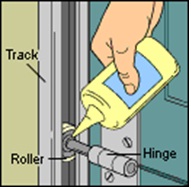
Then lubricate the moving parts. Apply penetrating oil to all rollers and hinges at least once a year. If you notice any loose screws, bolts, or nuts, tighten them so parts won’t fall out of adjustment.

The most common garage door problem is that the door becomes difficult to lift and lower. This may be something that can be resolved with a few simple adjustments and basic maintenance, or it may be more serious. If the door is connected to an opener, determine if the problem is with the door or the opener. The first step is to disconnect the opener mechanism from the door by pulling the release cord or lever. If the door works fine manually, the problem is with the electric opener.

A door that seems unusually heavy to lift may have a problem with spring tension. Garage door springs are under extreme tension because of the loads they must lift, and this makes them dangerous to adjust. If your door’s springs are out of adjustment, do not attempt to work on them yourself. Call in a professional. If the door seems to bind in the tracks an adjustment and maintenance may be all that is needed. If it sags in the middle when opening or once it is fully open it may need a few bracing members.

With proper care and maintenance a quality garage door should last 30-40 years. The key to this longevity and lowest cost benefit is to spend about an hour a year on the maintenance if you can do it yourself or $100-$130 to have a professional service it. Again, spend hundred$ now in maintenance or thou$and$ later in repairs (or replacement). An average mid-grade replacement double wide door will run around $1800-$2700 installed.

Wednesday, March 9, 2011

Spring is ........nearly here!

The Chill of February is behind us and coming up – March Madness!


The weather in March bounces from cold and wet to semi-warm days that bring out the longing for spring. March is the perfect time to get a great jump-start on sprucing up your home…….. Almost spring cleaning, or spring cleaning-‘lite.’

If you have accumulated quite a bit of winter debris and do not know where to start….begin with the curb appeal, specifically, your front porch or entryway area. Knock down the cobwebs; hose down the dirt on the front of the house and clean the area friends and neighbors see first. Caulk and paint any exposed wood and repaint the front door if needed. It’s a great start and will invigorate you to proceed with another section when you see the results.

Another task to accomplish during these random periods of great weather is to perform a thorough evaluation of the exterior needs of your home. You may have some tax money returned to you so knowing the financial needs of your home maintenance will be key to making sure you do not ‘unwisely’ spend that windfall on something desired rather than on something very much needed. Some bubbling or spongy siding or trim should be placed first on your list of repair tasks to keep the costs to a minimum.

Remember…for every dollar you spend maintaining your home you get to keep about $10 off your repair bill.

Tuesday, February 22, 2011

Storage 'Stuff"

Spring cleaning is right around the corner. If you are like most Americans you have accumulated quite a lot of “stuff” over the winter months and the holidays. The newer, shinier and sleeker stuff probably has displaced the older, yet still good “stuff” that you are still very fond of and are not quite ready to ship out or get rid of.


When it is all said and done we Americans accumulate a lot of “stuff.” Our homes can only handle a fixed amount of this “stuff” before it becomes a mess or potentially a fire hazard. We like our “stuff” and we hesitantly get rid of it. Cyndy Salzmann, 'The Clutter Coach,' states “If you don’t love it or use it….lose it!” But let’s face it; we seem to love all of our “stuff.”

The good news is that as we accumulate all of our “stuff” we can live out our normal, structured lives if we learn to keep our “stuff” somewhat organized.

The two most popular and least costly means to add structure to the mounds of “stuff” are to add storage shelving and/or storage shed. Many will opt for the rented storage units instead of building or purchasing an on-premise storage shed but the concept is the same, it’s just a convenience and cost issue.


Adding shelving space is an inexpensive way to allow us to accumulate more of our “stuff” and to keep it organized and at our fingertips when/if we do decide to use it. Mr. Handyman has built many shelving units in garages, storage rooms, basements and attic crawl spaces for dozens of our customers over the past 4 years. The key to turning that empty space into a valuable storage option is planning and budgeting. You cannot expect inexpensive shelving materials to hold up to heavy use with heaping, full storage totes. In the same regard, the least-expensive pull-down attic ladder will not last if it is used many times each year.

Adding that extra storage space could be as easy as purchasing and installing a heavy-duty shelving unit or having one custom tailored for a particular spot in the basement or garage. The pull-down attic ladder with planking and shelving installed in that unused area is the most requested storage option we have accomplished. The long-term costs are favorable compared to renting an off-premise storage unit. Oh, and maybe some focus on pairing down on how much “stuff” we think we need to retain.