The Professional Choice

A companion overview to the popular "Ask Mr. Handyman" radio program airing on Christian Talk Radio, KCRO 660AM Saturdays @ 9:30AM.
Showing posts with label Safety. Show all posts

Monday, November 17, 2014

Christmas Decoration Safety tips!

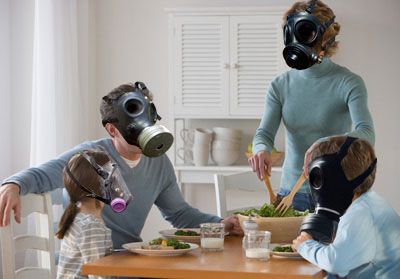
This photo is a practical joke but it does point out the need to be extra safe when hanging Christmas decorations. The police forced the homeowner to remove it because it garnered so many calls to the 911 center.

Christmas Decoration Safety


The next few days the weather is going to be quite nice so get out and finish your Christmas decorations. But be safe!

Every year, hospital emergency rooms treat about 12,500 people for injuries related to holiday lights, such as falls, cuts and shocks.

In addition, candles start about 11,600 fires each year, resulting in 150 deaths, 1,200 injuries and $173 million in property loss. Christmas trees are involved in about 300 fires annually, resulting in 10 deaths, 30 injuries and an average of more than $10 million in property loss and damage.

Here are some tips to keep it safe.

Always put candles out! Do not let them burn overnight or out of your sight.

When purchasing an artificial tree, look for a "Fire Resistant." tree.

When purchasing a live tree, check for freshness. A fresh tree is green, needles are hard to pull from branches and do not break when bent between your fingers. The trunk butt of a fresh tree is sticky with resin, and when tapped on the ground, the tree should not lose many needles.

When setting up a tree at home, place it away from fireplaces, radiators and heat vents. Heated rooms dry live trees out rapidly so be sure to keep the stand filled with water.

Check each set of lights, new or old, for broken or cracked sockets, frayed or bare wires, or loose connections, and throw out damaged sets. Always replace burned-out bulbs promptly with the same wattage bulbs.

Use no more than three standard-size sets of lights per single extension cord. Make sure the extension cord is rated for the intended use.

Before using lights outdoors, check labels to be sure they have been certified for outdoor use.

Turn off all Christmas lights when you go to bed. The lights could short out and start a fire. Be sure you checked the operation of your smoke detector.

Outdoor electric lights and decorations should be plugged into circuits protected by ground fault circuit interrupters (GFCIs). Portable outdoor GFCIs can be purchased where electrical supplies are sold. GFCIs can be installed permanently to household circuits by a qualified electrician.

Never use lighted candles on a tree or near other evergreens. Always use non-flammable holders, and place candles where they will not be knocked down.

Follow container directions carefully to avoid lung irritation while decorating with artificial snow sprays.

Do not burn wrapping papers in the fireplace. A flash fire may result as wrappings ignite suddenly and burn intensely.

Wednesday, October 30, 2013

This Holiday Season, Observe your Senior Parents

Senior living centers receive more calls after the holidays than any other time of the year. Spend some quality time with your senior parent or grandparent, in their home and observe them in their daily tasks. Do they struggle bathing, using the toilet or fixing a meal? Sometimes they struggle with the most basic task. Watch and observe.

Today, seniors are remaining in their homes longer, and usually alone. Many adult children do not recognize how much of a struggle their loved one is having in completing daily tasks until a bad fall or other scare triggers a good evaluation and information quest. Most seniors are either too stubborn or too proud to admit they need help or assistance until it’s too late.


Planning to live out your senior years in relative comfort is like planning your will, an uneasy task for most but very much a necessity. The old fear that a "nursing home" is the only option has been diminished with in-home care, senior living centers, assisted living and specialized care facilities. If the determination is made to remain in the home there are some common home modifications that need to be considered.

Falls are a major problem for senior citizens. Sixty percent of falls happen in the home. Bathrooms are the main concern and in fact, are the most common area to require modifications. Reducing the chance for falls in the bathroom is the most important task to consider. These modifications may be extremely minor, like adding grab bars or putting a riser on the toilet to completely revamping the bathroom for wheel-chair access, a walk-in tub or pedestal sink.


Replacing old knob-style faucets for the newer, lever-style ones is a simple change, and is especially helpful for people with arthritis. Showers are generally safer than tubs for senior citizens because there is a smaller sidewall to step over. A hand-held shower adaptor and a portable stool is an inexpensive modification that can be installed in a few minutes but it will not relieve the risk of stepping over the side of the tub. Walk-in tubs are a great addition but not for everybody.

Grab bars are essential but they must be properly affixed to the wall. Suction cup grab bars are not recommended regardless what the TV commercials state! Non-slip flooring is a must! A grab bar at the top of a stairway may help to transition from the top step to a landing area.

Kitchen modifications are usually most necessary when the occupant has true physical handicaps and in need of a wheelchair.

Wheel-chair ramps, stair-lift units and other home entry modifications are most often thought about when thinking of ‘aging-in place’ but the bathroom is the place most falls take place. The most important factor is to plan ahead. Add these “senior-friendly” home modifications BEFORE they become a “must-have” item. If you witness your elder parent struggle a bit this Christmas season, consider having some of the basic items installed by a professional to assist them before a major fall awakens you to their condition. Act rather than react! You may just save them and you a whole lot of pain and suffering.

Tuesday, October 29, 2013

Safety Tips for our Senior Population

Household dangers are lurking all throughout the home; and if you’re a member of our senior population, the risks are even greater.

Interior and exterior lights using motion sensors or photo cells can light the way to safety. Inside the house, place them in the frequently traveled paths at night; like between the bed and bathroom or on your way to the kitchen. Outside, replace the lights that require a flip of the switch with a motion sensor or a photo cell, so you’re never caught in the dark upon returning home.

Decorative and bath rugs are attractive, but without proper backing or with backing that’s worn down, they can be a slip, trip, or fall hazard. Check and make sure they still grip the floor, and if not, add a non-skid backing or toss them out.

All inside or outside stairs need to have a hand railing. As you age you may want to consider installing one on each side of the stairwell for your assistance in navigating those steps.

Your home should already be equipped with working smoke detectors. Each year have someone check their functionality, batteries, and that they’re clear of dust and debris. Cans of compressed air can be purchased and used for cleaning computer keyboards and blowing out cobwebs and dust from your smoke detectors. Carbon monoxide detectors are a must if you have a gas heater, water heater or attached garage.

Finally, put safety over vanity and be honest with yourself when it’s time to install grab bars, handrails, non-skid strips in the bathtubs and showers. Installing a few of these much needed safety items prior to absolutely needing them will enable you an opportunity to ease into their use as you age and become more dependent upon them.

Tuesday, July 16, 2013

11 Projects homeowners should not DIY

Watching the cable TV shows you may think the DIY projects seem easy.  Some are.  Here are a few projects you should never try to tackle unless you have quite a bit of experience.

Roof Repair. Not only can you hurt yourself if you attempt to fix your roof on your own, but you can also damage your roof and end up in need of even more costly repairs from a pro. Limit your interaction with your roof to seasonal check ups to remove debris from gutters and check for cracked or broken shingles. Since most roof systems can last for up to 20 years, this is definitely a case where you should leave it to the pros.

- Window replacement. Installing new windows is a great way to save energy and in turn, lower your monthly energy bills. However, from the specialized tools that may be required to the proper installation techniques, this is one job left to the pros.

- Exterior painting. Paint and preparation vary depending on the surface, but no matter the material, the steps of power washing, sanding, paint scraping and caulking must be completed. The goal of most DIY’ers is to save money but not properly tackling the preparation part of the work may cost you much more in the long run. Keep in mind that older homes likely have lead-based paint issues, which can be hazardous to your health.

- HVAC. Unless you're performing a relatively simple task like installing a programmable thermostat to save energy, most HVAC projects require the help of a professional because very few homeowners know more than just the basics of air ventilation and circulation.

- Attic Insulation. If your attic is easily accessible, it can be tempting to attempt to insulate your attic on your own, but think twice before installing any. There are several types used in this area and knowing how much to add and where to put it is key. Too much in the wrong places or up against the bottom of the roof can cause wood rot to form.

- Structural changes. While most homeowners know to keep away from loadbearing walls, some forget to also avoid walls that contain water or gas pipes, electrical wires and ductwork. Hiring a professional can save you the time you'd spend with the guesswork involved in figuring out what walls can go and what must stay.

- Gutter repair. The installation of new gutters can add great value to a home, but keep in mind that it's difficult to near impossible to repair gutters without impacting your roof, fascia and soffit. If the slope of the gutter is not correct they may rust out prematurely or not function properly.

- Building a deck. In most municipalities, homeowners must secure a permit when building a deck higher than 18 inches off the ground. Building codes will also affect your build and how far you'll need to dig before installation of footings. Improper attachment to your home can cause wood rot and water intrusion into the living space.

- Basement Waterproofing. Do your homework before attempting to solve your water problems. While minor issues can be temporarily fixed with waterproofing paint, the results are sure to fade after one or two heavy rainstorms. For a permanent solution hire a professional who will troubleshoot and recommend the best solution.

- Tree Removal. Forget that you'll need to figure out what to do with the tree once you've knocked it down and consider the time you'll spend measuring and preparing for the fall. There are a lot of factors at play here that a professional tree remover will be much better equipped to handle, oftentimes at a relatively low cost.

- Tile Work. Especially in ‘wet’ areas like the tub surround or kitchen backsplash. Improperly installing tile in these areas can lead to water intrusion and mold, mildew and wood rot issues. Tile can be expensive so having it installed properly by a professional is your best value.


Tuesday, November 27, 2012

Baby Proof Your Home

I have a Baby on the Way. How Can I Baby Proof my Home?


So you have a baby on the way, congratulations! The first step in baby proofing your home is to look at the environment from the point of view your baby will have once it starts crawling. By crawling around your home on your hands and knees, you can see the world from a baby’s-eye view, which will present dangers you hadn’t seen before. As your child starts to walk, you of course will need to reevaluate your child proofing measures.

Tips for Baby Proofing your Home

Key things to look for:

  • What’s within the baby’s reach? Are there small objects on or close to the floor that the baby could choke on? Place unsafe objects higher up or put them away for a period of time.
  • Are the sharp edges on furniture such as coffee tables or end tables covered up?
  • Do you have large, top heavy furniture? As babys start to crawl they begin pulling themselves up on furniture. Making sure dresser and cabinet drawers stay shut and bolting certain pieces of furniture to the wall can ensure the safety of your baby.

Home repairs to prepare for your baby:

  • Place outlet covers on electrical outlets.
  • Install safety gates in doorways of unsafe rooms and stairwells. Remember to buy safety gates that bolt to the wall for use at the top of stairs. They are much more secure than pressure gates.
  • Prevent pinched fingers by using doorstops and door holders on doors and their hinges.
  • Install windows that are double hung and can be opened from the top.
  • Check existing smoke detectors and install a fire extinguisher, especially in the kitchen.
  • Install childproof locks on all lower cabinets and drawers.

Mr. Handyman can help make your home a safer place for your entire family, while helping you to prepare for your newest arrival! Whether it’s painting the nursery or assembling a new crib, we will have the job completed on time and done right, so you can feel prepared for your family’s new addition. We provide both minor and major home repairs you can depend on to be correct when we walk out the door. Don't trust the process of baby proofing your home to just anyone, request services from America's most trusted handyman.  Call today 402-502-5212.

Wednesday, October 31, 2012

Prepare in Times of Disaster

The hurricane and storm on the east coast offers us in the midwest no comfort except thankfulness that it did not happen here. It does remind us what we could experience here in the form of natural disasters, flooding, tornadoes and blizzards. Preparing for an evacuation should be done prior to the emergency so when it comes the family can continue to thrive after the emergency.

Ready in 10 Minutes Kit.

If a disaster was eminent, such as flooding, a chemical leak or a tornado bearing down on your community and you only had 10 minutes to evacuate, what would you do? It is vitally important to have a plan and an evacuation kit that is ready to go at any moment.
Ready in 10 evacuation plan must include a way to instantly locate and safeguard the vital information, documents and keepsakes that you’ll need to have access to after the emergency has passed. To start the plan you need to know:

• Who will be going with you, of course your immediate family and pets but others may be considered.
• Where you will go for the different disasters that may take place
• Where you will stay for both short term and long term stays. It may be a while before you can return or you may not have a home to return to.
• How will each of you get there?

The ready in 10 plan should also include a checklist of vital items to escape with:

• Medical records and medications for each person
• Insurance and deed information
• Wallet, purse, cell phone, chargers, keys, contact information for others
• Vital information documents, birth certificates, marriage license etc.
• Toiletries and a change of clothes for a couple of days
• Food and water necessities for the trip out
• Battery powered radio, flashlight.
• Keepsakes or treasured items
• Financial documents

A person or family can never fully prepare for a disaster but being able to pick up their lives after the emergency is the second most important task behind surviving it in the first place. Taking time to prepare your evacuation plan prior to any emergency situation may save your life and make it much easier as a survivor.

Wednesday, April 4, 2012

Humidity in Your Home

To make your home more comfortable to live in during the winter months, homeowners in the Omaha area add moisture into their homes with a humidifier.
The dry heated air is supplemented with moist air to prevent static electricity, keep your skin from cracking and prevents furniture from drying out and cracking.

During the summer months the process should be reversed, we should work to remove moisture from the home. In many cases your air-conditioner will remove enough moisture to keep your home comfortable and safe.

Although too dry of air in the winter can be annoying it is not dangerous. Too high of moisture content in your home can be unsafe and cause excessive mold, mildew, dust mites and is attractive to critters such and termites and cockroaches. It can lead to a "sick building syndrom" inside your home and can eventually lead to death in some circumstances.

The moisture level in your home should range from 35 to 50% with the ideal setting at 45% humidity. You can purchase a hygrometer to keep tabs on this moisture content but it will vary depending on the placement of the device.

Moist air is heavier so it will naturally collect in the basement.

Mr. Handyman has installed several devices that do a wonderful job of removing excessive moisture from the home. One is called E-Z Breathe and the other is called Humidex. Both work by removing the moist air at the basement floor level and replenishing it with dryer air from above. These devices can turn a damp musty basement into a more pleasant living area and restore a healthy moisture level throughout the home.

Today, many people have mysterious health issues they cannot get a handle on. In many cases it can be related to high moisture content in the home which leads to hidden mold and mildew and triggers lung and respitory issues. The first step would be to purchase a hygrometer and keep tabs on the humidity level then take action if it is above 50% humidity.

Wednesday, March 14, 2012

Smell Sewer Gas?

All plumbing fixtures have drain traps – a bend in the drainpipe that is always filled with water. The water stops smelly sewer gases from entering your house. The traps below your sinks are replenished every time you run the water, but in most homes the traps below the basement or laundry room floor drains never are refilled. The water evaporates, and sewer gases start wafting up from the drain.


If you have a basement floor drain you should pour some water down the drain on occasion to refill the trap and prevent the sewer gas from entering your home. Of course, sewer gas smells but it could overcome you and be potentially dangerous. Seldom used bathrooms should have the water run in the sink, shower or bathtub and the toilet flushed atleast once a month to keep the traps full of water. There also is a trap for the washing machine drain pipe. If you have unused hook-ups from moving your laundry room or you rarely use your laundry equipment, keep that trap filled with water or have the pipe capped off.

Evaporation of the water in the drain traps can be as fast as a few days to a few weeks. A few minutes of your time to pour some water down those drains will keep you safe and keep the sewer gas out of your home.

Wednesday, March 7, 2012

Daylight Savings Time Change

I always dread Daylight Saving Time changes just because it seems to take my body clock three weeks to self correct. This bi-annual event is a great reminder though, to complete a few tasks around the house that should not be overlooked.

Here are tasks that we recommend you perform each changing of the clock.


Daylight Saving Time Home Maintenance Checklist

The experts, the news channels and newspapers have been telling us about this one for many years. Replace the batteries in all of your smoke detectors. I suggest taking it one step further, buy some compressed air (as used to blow off your keyboard) and blow-out the dust accumulated in the smoke detector and the carbon monoxide detectors in your house. Test each to make sure that they are working properly. Every home that has an attached garage, gas stove, furnace or water heater should have a carbon monoxide detector!

Add a couple of drops of light weight oil (preferred: puffs of graphite powder, available at any locksmith or Ace Hardware) to all of your key locks, especially those exposed to the weather. Turn the cylinder a few times to ensure complete coverage in the throat of the lock. It's a good idea to do this to your car locks as well.

If you have an emergency escape window in the basement or an emergency escape ladder from a second story window, open them up and try them out to be sure there are no obstructions and the unit is operating properly. Make good use of the task with the family and practice your escape drill. Follow your escape plan and muster at your meeting place for the full drill.

Check your dryer vent duct work and make sure that it is clean and that there is no lint caught up in it. A laundry room fire is the #2 cause of house fires in this country. It only takes a few minutes to inspect the dryer vent duct work and about 20 minutes to clean it all out.

Performing these four quick homeowner maintenance tasks with each time change will help to keep your house in order and help keep your family safe.

Wednesday, February 22, 2012

Got bed bugs? Don't panic

Mr. Handyman has received several calls requesting more information about bed bugs from the information presented last week.


It has not become such a wide-spread problem that you should be terribly concerned. There are "pockets" of infestations at UNL and now at UNK.

If you currently do not have bed bugs do not panic. Take these precautions to help keep from getting them.

Purchase some DE (Diatomaceous Earth) and lightly sprinkle the powder along the cracks and crevices on your bedroom floor and along the piping of your mattress.

If you have a student returning from school or from travel abroad empty the contents of their suitcase (or dirty laundry bag if a student) in the garage and place the contents directly in the dryer on a high heat setting.

Let the dryer run for 1/2 hour on high setting.

If you get bed bugs the DE can be effective for a DIY treatment.  Tractor Supply claims a product they sell, Tempo, is very effective as well.

If you get to a complete infestation call in the experts and seek the heat treatment.

You can also purchase bed bug insurance which covers the costs of eradicating the little buggers.

Wednesday, February 15, 2012

Don't Let the Bed Bugs Bite!

They are real, they are a nuisance, they DO BITE, and they are a bugger to get rid of.

There has been some recent news about bed bugs being a problem at the UNL campus in Lincoln.  Students returning for the holidays and spring break could bring these pests into the family home if some precautions are not followed. 

Most folks will revert to the professionals, an exterminator or try to DIY with some chemicals from one of the big-box stores. I have another solution that is very effective and very safe. The ONLY precaution is breathing of the dust when applying. It is Diatomaceous Earth, or DE. It can be purchased at any local health food store and is fairly inexpensive. There is no chemical smell and it is an all-natural "green" product.

Wear a dust mask and apply a ring around your bedposts, in any wall or floor cracks near your bed and dust along the decorative piping at the edges of your mattress. The DE will cut these little critters each time they crawl through the fine powder and they will eventually dry-up and die. You can put it down even with no known bed bug problem.  There are no side effects or safety concerns.

If you have visitors or students returning from Lincoln I would dust all areas where they could unknowingly bring these awful critters into your home. There were huge outbreaks in the Manhattan, Chicago, Denver and Detroit areas as well as other cities recently so any traveler should be cautious.  

When you travel and stay in a hotel I would take some precautions to ensure you do not pick up a hitchhiker. Inspect the bed you will lay your head down on. Keep your suitcase on the countertop or table top and vacuum it when you return. I would put out the DE just to be safe.


Thursday, January 12, 2012

Preventing Home Fires

Dryers: If you have to run the dryer a second or even third time to get clothes fully dry, your dryer vents may need cleaning. While most homeowners clean their lint traps between every load, dryer vents must also be cleaned regularly. It is recommended that dryer vents be cleaned every 1-2 years, depending on the frequency of dryer use and the distance from the back of the dryer to where the vent exits the home. Lint buildup in vents increases the risk of fire and reduces the efficiency of the dryer.

It’s a fact: Thirteen thousand fires start in laundry rooms in the U.S. each year, causing 10 deaths and $97 million in property damage. One-third of these fires arise from lint buildup.

Besides reducing the risk of fire, clean vents allow for efficient drying. Savings estimates range from $.50 to $3.00 a load, depending on the size of the load, the energy efficiency of your dryer and the severity of obstruction in your vents. Reduced wear on the dryer will also extend its life.

In Bennington a dryer caught fire causing a lot of smoke damage to one couples home.  See the related KETV account of their story:
http://www.ketv.com/news/29354435/detail.html

Wednesday, September 21, 2011

Indoor Air Quality

The air we breathe leaves much to be desired. Power plants belch harmful carbon dioxide, automobiles churn out tons of exhaust fumes, and cows add methane to the air. Pollen tickles millions of people’s noses and lungs. Sometimes just looking out your window at all the pollution may be enough to make you shun the outdoors. Can it be even worse inside your home?

Indoor air pollution, the degradation of indoor air quality by harmful chemicals and other materials, can be up to 10 times worse than outdoor air pollution. This is because confined areas enable potential pollutants to build up more than open spaces do. You can easily visualize this if you think about dumping a gallon of oil into the ocean versus dumping a gallon into your bathtub. The oil in the ocean will dissipate and be diluted within the massive volume of water. A gallon of oil in your bathtub will linger because it has nowhere else to go. The same thing happens with pollutants released into a small enclosed area, like your home or office.

You may think indoor air concerns doesn't apply to you, but indoor air pollution comes from some places you wouldn't normally think of, like materials used to build your house, carpeting, the land it's sitting on and everyday items you bring into the home. In addition, if you consider that people spend approximately 65 percent of their day inside their homes, you can see why indoor air pollution is an important issue.

Some of the side effects caused by indoor air pollution are little worse than those of the common cold, but long-term exposure could lead to health issues, lung cancer and even death. Got your attention, yet?

Learn more about the air you breathe inside your home with a simple air quality test kit. For about $80 you can purchase an Indoor Air Pollution test kit and see the results yourself. One of these is TerrEssentials' Home Air Quality Test Kit, which tests for the presence of mold, fungus, bacteria, formaldehyde, carbon monoxide and carbon dioxide. Testing for Radon is requires a different test ($16 online, at radon.com) but should be performed because exposure to radon is known to cause lung cancer.

After such a wet, hot and humid summer the mold levels in homes may be alarming. If you have a constant sniffle or congestion, especially when you wake up in the morning, indoor air pollution could be a source. Once the test results indicate a cause of the contamination, corrective measures can be taken to reduce the amount of air pollution in your home.

The solution may be as simple as a high-quality furnace filter, changed more regularly, having the air ducts cleaned or replacing the moldy carpet in the basement.

Wednesday, August 3, 2011

Controlling the Humidity Level in Your Home

Do you have a humidity problem in your home?  How can you keep the humidity level at a comfortable level during these hot and humid summer days.


Humidity is measured with a hygrometer.  Some of the least expensive hygrometers are part of a thermometer assembly on a clock.  See photo.  They are not the most accurate but they are great to get an overall picture of the humidity level in your home.
If it reads above 50% you should take steps to reduce the moisture content in your home to keep mold, mildew and the attraction of pests down in your living space.

Here are a few tips:

Run the bath vent fan during a bath or shower then for 20 minutes after

Grill out more and boil noodles and other food items on the grill.


Keep the toilet lids down (GUYS!!!)

Be sure the downspouts direct the water a minimum of 4-6 ft away from the foundation

Crack a window in the basement

Install a humidity-ridding device such as a dehumidifier, Humidex or Easy-Breathe type systems

Keep the AC turned down to the desired temp, do not bump it up and down.  Your AC system does a great job of removing humidity from the home but only when it is running!

Place large plants outdoors if possible, if not water them sparingly.

If you have a sidewalk or patio right up against the foundation, be sure the crack between them is completely sealed.

Remember a home that is too wet — where the humidity is greater than 50% — can be a breeding ground for mold, rot, pests such as termites and cockroaches, and condensation. It can cause health problems for you and your family, pets included.  Keep it under control by implementing these tips and observe your humidistat daily to see how you are doing.

Wednesday, June 29, 2011

Firework Safety - Home Fires

Every year thousands of people visit the emergency rooms in incidents related to a firework injury.


Each year homes catch fire from the burning embers of a downed firework casing resulting in the following statistics:

• In 2009, fireworks caused an estimated 18,000 reported fires, including 1,300 total structure fires, 400 vehicle fires, and 16,300 outside and other fires. These fires resulted in no reported civilian deaths, 30 civilian injuries and $38 million in direct property damage.

• In 2009, U.S. hospital emergency rooms treated an estimated 8,800 people for fireworks related injuries; 53% of 2009 emergency room fireworks-related injuries were to the extremities and 42% were to the head.

• The risk of fireworks injury was highest for children ages 10-14, with more than twice the risk for the general population.

• On Independence Day in a typical year, far more U.S. fires are reported than on any other day, and fireworks account for more than half of those fires, more than any other cause of fires.
Be careful where you light fireworks. There doesn't seem to be a lot of dry grass in the Omaha area this year but there may be areas that could ignite. Use a flashlight to inspect your roof at the end of your lighting ceremony, or the neighbors, for that matter. Have the hose prepared with a spray nozzle that could reach the peak of your roof line.

If one of your "high-in-the-sky" fireworks goes off course, at a low angle, follow up to be sure it did not catch your neighbor's home on fire. Be sure it is snuffed out.

Enjoy the celebration but be aware and take some measures to avoid becoming a statistic. 


Wednesday, June 8, 2011

Prepare in Times of Disaster

The threat of rising river water and more flooding has people evacuating that had never thought the river could rise to the level it has. It may go even higher in the next few weeks. Preparing for an evacuation should be done prior to the rising waters so when they come the family can continue to thrive after the emergency.


Ready in 10 Minutes Kit.

If a disaster was eminent, such as flooding, a chemical leak or a tornado bearing down on your community and you only had 10 minutes to evacuate, what would you do? It is vitally important to have a plan and an evacuation kit that is ready to go at any moment.

Ready in 10 evacuation plan must include a way to instantly locate and safeguard the vital information, documents and keepsakes that you’ll need to have access to after the emergency has passed. To start the plan you need to know:

• Who will be going with you, of course your immediate family and pets but others may be considered.

• Where you will go for the different disasters that may take place

• Where you will stay for both short term and long term stays. It may be a while before you can return or you may not have a home to return to.

• How will each of you get there?

The ready in 10 plan should also include a checklist of vital items to escape with:

• Medical records and medications for each person

• Insurance and deed information

• Wallet, purse, cell phone, chargers, keys, contact information for others

• Vital information documents, birth certificates, marriage license etc.

• Toiletries and a change of clothes for a couple of days

• Food and water necessities for the trip out

• Battery powered radio, flashlight.

• Keepsakes or treasured items

• Financial documents

A person or family can never fully prepare for a disaster but being able to pick up their lives after the emergency is the second most important task behind surviving it in the first place. Taking time to prepare your evacuation plan prior to any emergency situation may save your life and make it much easier as a survivor.

Thursday, June 2, 2011

Tips for Tornado Season

June is tornado month in Nebraska. More tornados occur in June than any other month in our state.

With the recent terrible loss of life in Missouri and Alabama there are some tips we can do to protect ourselves in case of a tornado.

1. Have a plan. If you do not have a plan your chances of surviving a direct-hit tornado are slim. Retreating to the basement is not enough. Many times the force of the winds can pull you and your family right up out of the basement. If you do not have a basement find the location of the nearest storm shelter and become familiar with the route and time it takes to get there.

2. Create a shelter area in the basement with very strong walls and ceiling over your head. Many folks will use the area under the stairwell or in a corner. Beef if up, mount the walls and ceiling into the concrete structure of the basement. Follow the FEMA guidelines at FEMA.gov for creating a “safe-room” in your home. It may cost up to $2000 to create the safe-room but the cost is minor compared to loss of life.  Think of a tornado as a vacuum cleaner.  How could you survive if a huge vacuum cleaner was placed above your home?

3. Keep in mind that the average length of time spent in a storm shelter is ½ hour to 2 hours. Have something for the kids to do to take their minds off the situation. Make sure you have a battery powered radio, flashlight, blankets, water and snacks and a whistle, air-horn or other means of alerting for help.

4. Don’t be one of the people that think “it will never happen to me.” Many people in Missouri and Alabama may have had that same attitude. It happened to thousands who are without a place to live right now and over 500 so far this year have lost their lives just in tornado related deaths.

5. There may be some state or federal monies available to assist in the purchase and installation of a safe room or storm shelter.  Look to FEMA or your state Emergency Management Agency for more details.


Wednesday, May 25, 2011

Home Elecrtical Concerns

Here is how you know you need an electrician to visit your home


If you have one or more outlets that have loose prongs. They will be outlets that when you plug in your appliance the plug does not want to stay in the outlet, it droops or falls out.

If you have a light switch that arcs when it is turned on. Sometimes it may spark and sometimes it will make an arcing sound. Too much build-up of carbon can lead to resistance in the switch and can cause overheating and possibly, fires.

If you have lights that dim when another appliance is turned on. An example may be when you run the microwave, vacuum cleaner or the air conditioning cycles on. If the lights dim there could be an overload, or low voltage on that circuit which could lead to shorter-lived equipment or appliances, light bulbs and possibly a fire.

If you have a light fixture that you consistently replace the bulbs more so than other fixtures. It could mean an under voltage situation or an overloaded circuit breaker.

If you have a GFCI outlet in the house that keeps tripping, forcing you to reset it. GFCI outlets are the ones with the manual reset switch on the outlet itself. A GFCI outlet is required in bathrooms or in outlets where an appliance could come in contact with water. Others may be protected in the breaker box.

If you have more than 2 extension cords currently in use in the home because you do not have enough outlets for all of the fixtures or appliances you wish to have.

If you have any outlets with a charred face or burnt-marks. It may end up only being cosmetic but it may be worth it to have it checked out.

If you have any wires that are sticking out from electrical boxes or cover plates. All wiring should be concealed in conduit, in the panel, or box or in the “romex” sheath (2 or more wires in a thin, white plastic covering in use in most homes today).

Thursday, May 5, 2011

Contractors - Know Who You Are Hiring

Each year Mr. Handyman receives calls from distraught homeowners stating they were taken for a lot of money and left hanging. They had hired a "fly-by-night' contractor without checking up on the company, individual or references.

Many homeowners only look at the lowest price. Let's face it, we live in a "Wal-Mart" world where we are conditioned to associate lowest price with a good value. In reality it almost never works out that way.

How do you check out a particular contractor?

First of all is he an individual or a company? You can follow the advice and tips from one of our previous posts to perform a general reference check on him/his company. See the blog post at: http://askmrhandyman.blogspot.com/2010/02/licensed-bonded-and-insured-what-does.html


Second, you can ask for and check up on references. Ask him for a list of several other customers he has serviced and ask that it be similar work for which you are requesting him to do for you. If he is a thorough and honorable businessman he will have a growing list of satisfied customers who will gladly provide a good reference.

Third, follow up with the local chapter of the BBB. The BBB is a well-known business rating service that ensures a good rating for businesses that follow basic general rules of behavior and interfacing with their customers. Angie’s List is another rating/ranking service but beware, I have seen many reviews on there that seem more like an ad for a particular company than an actual review by a consumer. When the rating includes details the person/company CAN do for you rather than what they ACTUALLY did for them, beware.

Fourth, look at their online presence. If they offer a website, check it out but remember what's on the website is information they want you to know about them. Look for a third-party rating service that validates customer reviews. Many unscrupulous companies sugar-coat their ratings and have their parents/siblings rate them for a better “presence" on the web.

View this video and be prepared. It was an investigation by MSNBC a while ago but is a pretty good idea of the types of contractors out there lurking. http://video.msn.com/?mkt=en-us&brand=msnbc&fg=rss&vid=b83da96a-d107-4f6c-ba7d-8d7c7bd3ba03&from=05
Fifth, hire a professional. They may be slightly more expensive up front but will guarantee their work and actually cost a bit more because they do the work the right way the first time. There is a reason others quote you a cheaper price. What are you really getting? What will be left out?

Mr. Handyman is Licensed, Bonded and Insured for your protection as well as ours. We perform background checks and drug screen our employees. We hire professional that have been in the trades for over 15 years and we stand behind their workmanship. Mr. Handyman has a third-party validate our ratings and reviews. Systino emails out a survey after the work is completed and compiles that data for us and displays it for you to see. We do not manipulate the data in any way. We also receive ratings on Service Magic that we cannot modify. We do all of this because we are professional and want to be honorable to you. Mr. Handyman is a proud member of the BBB and has only fielded one complaint in our four years of being in business, which was corrected right away. One complaint in over 5400 jobs/projects in four years in this type of business is an awesome feat!

The next time you have a project, call us and see why over 65% of our revenue each year is from repeat and referral business!

Saturday, January 8, 2011

Ten Things Every Homeowner Should Know

1. Water Shut-off Valve Location - Every person in the home should know the location of the water shut-off for the whole house. Most sinks and toilets have a shut-off valve under the fixture but knowing how to kill the flow throughout the home is imperative if needed in an emergency. If a leak pops up shutting off the flow will limit the amount of damage, repair costs AND headaches.

2. Gas Shut-off Valve Location - Same issue as the water valve but with greater emphasis towards safety. A gas leak can cause a fire or explosion so shutting it off at the sign (smell) of a leak or other danger could have life or death consequences.

3. Electric Box Breaker Switches - Be sure everyone in the home knows the location of the electric panel. Each breaker should be labeled for efficiency and safety. This will save you frustration and time during electrical issues.

4. Repair water leaks ASAP - A huge percentage of home repair costs involves water damage. Once you have detected a water leak have it repaired immediately. The longer you let it continue the more dollars required for the repair.

5. Foundation Blocks and Concrete Slabs - One of the most costly home repairs is leveling the house. To help avoid this costly repair you should keep the slab nourished during spells of very dry weather. Install flowerbeds along the sides and keep them moist. If you have no flowerbeds then you should actually water the edges of the slab. Do not over water...just be aware that cracks in the dirt can be a sign of future problems in your home's foundation.

6. Install Gutters/Downspouts - Water should be directed away (4-6 ft) from the foundation, sidewalks or patio/driveway slabs. Just like too much dry weather is bad for your foundation...too much water is bad also. Never let water pool at base of house.

7. Keep Gutters Free Flowing - The gutters and downspouts cannot push the water away from the house (and away from the basement) if they cannot do their function. Clean the gutters and downspouts several times a year or install gutter protection (look at Gutter Stuff Pro on this blog).

8. Keep Debris Off Roof - If you have trees dropping leaves on your roof you need to clear them off. Water is insidious...it will work its way through your shingles and ultimately through to your ceilings. When you see the water stains in your walls or ceilings, you should repair the leak immediately.

9. Weatherproof Your Home - Repairs to doors and windows is another costly area. When you take the time to caulk and weather strip your doors and caulk around all your windows (in addition to saving money) you will remain aware of developing issues. Your job is to know your home.

10. Know Your Neighbors - Chances are your home was built at the same time as your neighbors'. Keeping tabs on their home issues can go a long way in predicting issues at your home!